Meet the Owls
Owl Basics: Finding Birds You Almost Never See
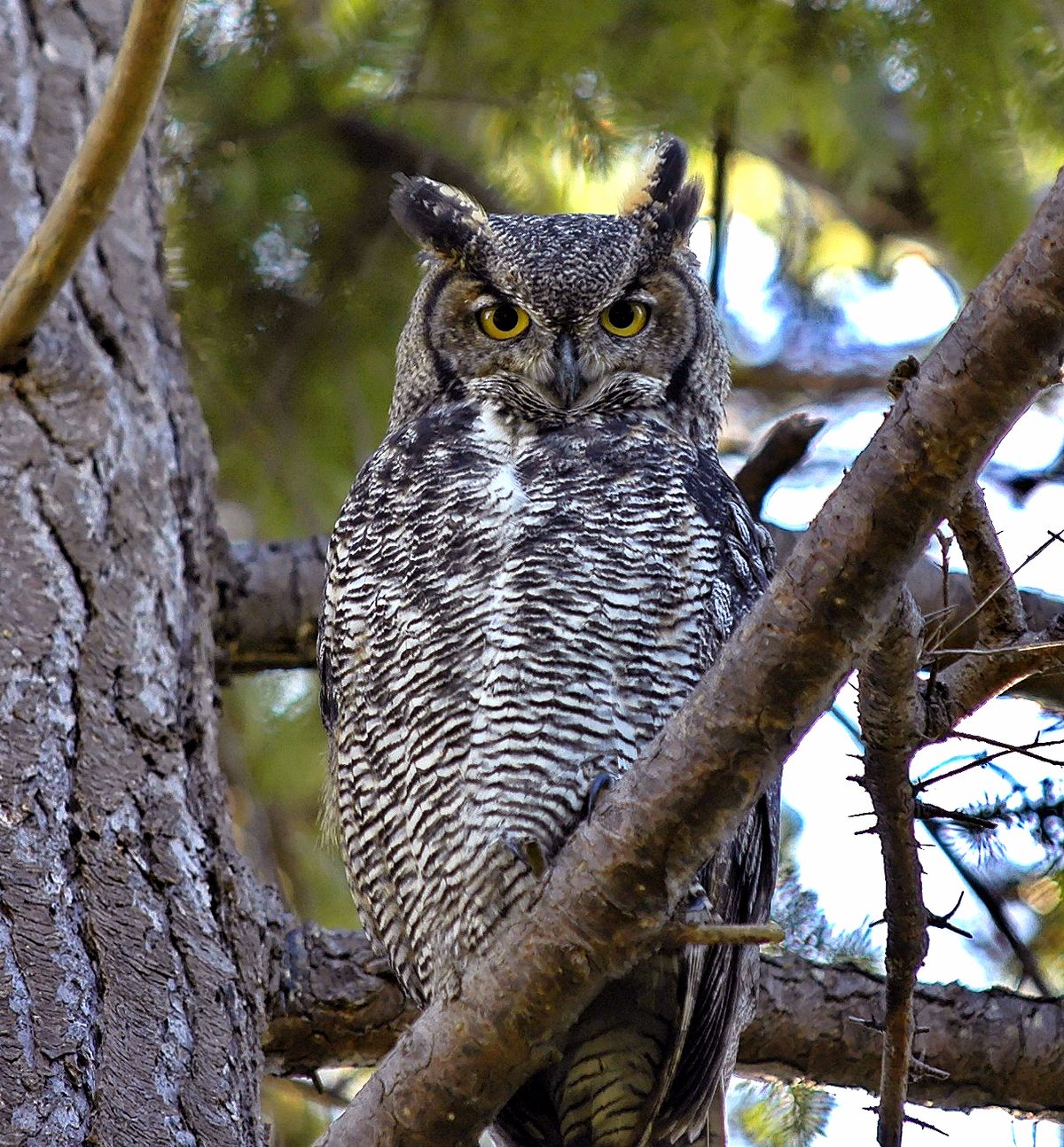
Here is the secret about owls: most people hear far more owls than they ever see. Owls are built for the night, with soft feathers, camouflage colors, and a habit of sitting perfectly still all day. That is not bad news. It means owl spotting is a listening game, and your ears are the best field guide you own.
Your Ears Are the Best Tool
Every owl has its own voice. Deep hoots, whinnies, trills, toots, and even screams. Learn the voice and you can name an owl in total darkness, through the trees, without seeing a single feather.
That is why so many cards in this guide have a Hear It button. Tap it to hear the real call, recorded in the wild. Then step outside on a calm night and listen for it for real.
Silent Wings
Owl feathers are built for quiet. The front edge of the wing has a comb of soft fringes that breaks up the air, and the rest of the feather is velvety soft. A mouse never hears an owl coming.
Their faces help them hear, too. The flat disc of feathers around an owl's face works like a satellite dish, collecting tiny sounds and aiming them at the ears, which sit at slightly different heights so the owl can pinpoint a sound up, down, left, and right.
The Most Famous Call in the Woods
One owl is so famous for its voice that birdwatchers learn it like a sentence. The Barred Owl's call has a rhythm that sounds exactly like a question about dinner:
“Who cooks for you?
Who cooks for you all?”
Find the Barred Owl's card and tap Hear It to listen. Once you have heard it once, you will recognize it for the rest of your life, and swamps and river woods will never sound the same again.
Pellets: Clues Left Behind
Owls swallow small prey whole, then cough up a tidy packet of the parts they cannot digest, like fur and bones. These dry, gray packets are called pellets, and a pile of them under a tree is a giant clue that an owl sleeps up above.
When and Where to Try
The best owl listening is on a calm night, an hour after sunset, at the edge of woods near fields or water. Winter and early spring are prime time, because many owls call to claim their nesting woods then. Bring a grown-up, a flashlight, and patience.
Owl Sightings Map
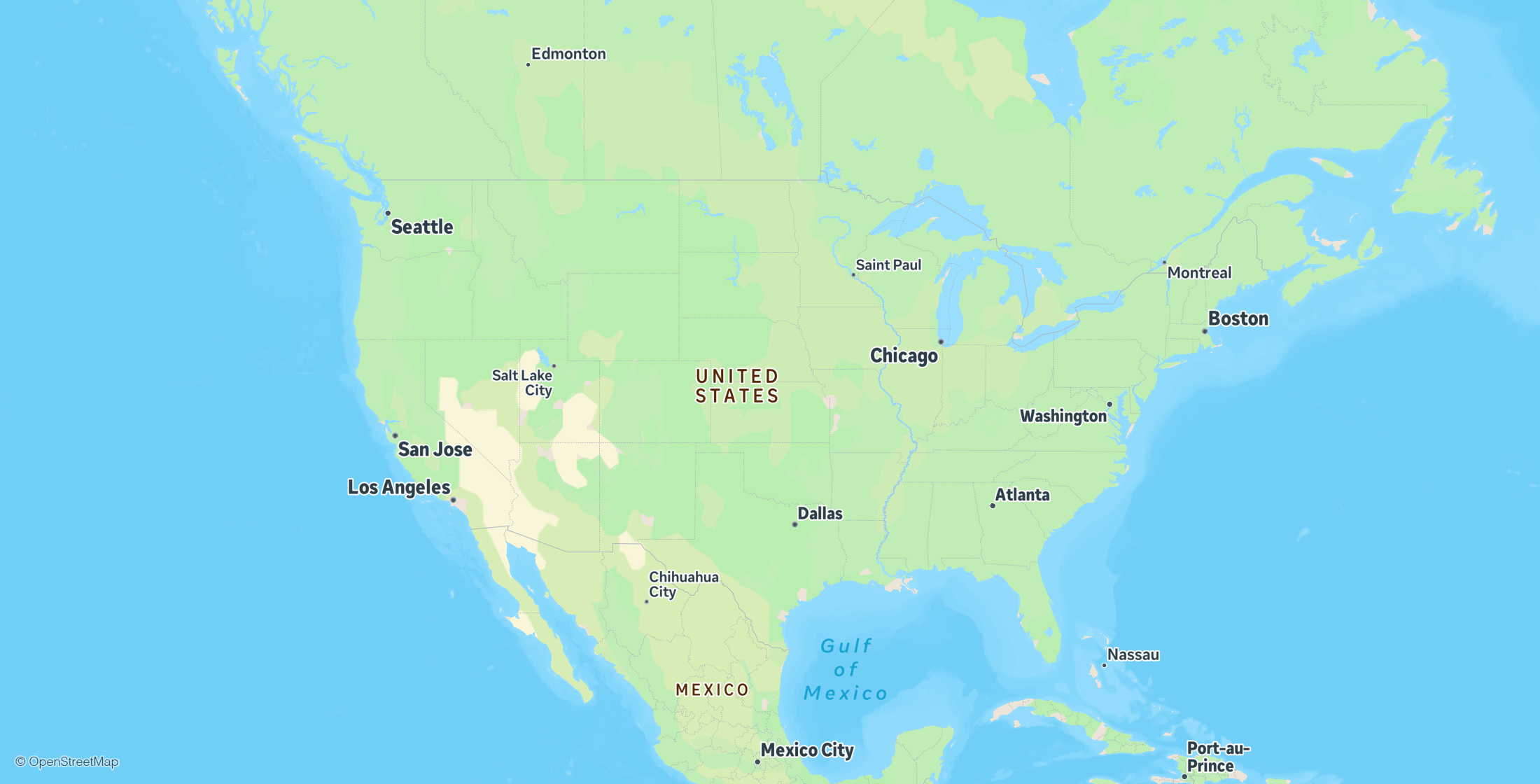
Owl spotters all over the United States and Canada are hearing and seeing owls: in barns, in pine groves, and over moonlit fields. Every pin on this map is a real sighting sent in by email: the owl that was seen or heard, a first name, the town and state, and the date it was spotted.
This shared map is different from your Spotted It! list on the cards above: that list stays on your device, just for you. A sighting only gets onto this map when a grown-up emails it to us, and we add the pin by hand. Heard an owl but never saw it? That still counts. With owls, a careful listen is a real sighting.
Not Sure Which Owl You Heard? That Is Okay
You do not have to be an owl expert to report a sighting. All of these count:
- The owl's name, if you know it, like “Barred Owl.” Welcome, but never required.
- A description of the call: hoots, whistles, trills, or toots, how many, and how fast. The words you would use to copy the sound are a big help.
- A photo from a safe distance: zoom in with your camera, never with your feet. Never get closer to an owl just to check what it is, and please keep the exact nesting spot out of your report.
And the Golden Rule never changes: watch quietly from a distance, and let the owl keep its secrets.
Report a Sighting
Seen or heard an owl? Tell us, and we will pin it on the map above. Reports go to the same inbox as our sister guides, Backyard Wildlife, Bats of North America, and Snakes of North America: backyardwildlifekids@gmail.com.
Watch and Listen From a Distance
Enjoy your owl from far away: never crowd it, and if it is sleeping, let it sleep. Remember what it looked or sounded like, where you were, and the date.
Ask a Grown-Up to Email Us
A grown-up sends us the owl's name if you know it, your first name, your town and state, and the date you spotted it. The email button below is ready to go.
Watch for Your Pin
We read every email first, then add new pins to the map by hand, in batches, so your pin may take a little while to appear. Keep checking back!
First names and towns only: pins show a first name, a town and state, and a date, never a last name, never a home address, and never an owl's exact nest or roost spot.
Photo Credits
Every photo on this page comes from Wikimedia Commons and is shared freely by its photographer. Tap an owl's name to see the original photo page. Thank you to all of these photographers!
Call Recording Credits
The Hear It calls were recorded in the wild and shared freely through Wikimedia Commons and Xeno-canto. Tap an owl's name to hear and see the original recording page.